From Blueprints to Virtual Reality: The Future of Architectural Design
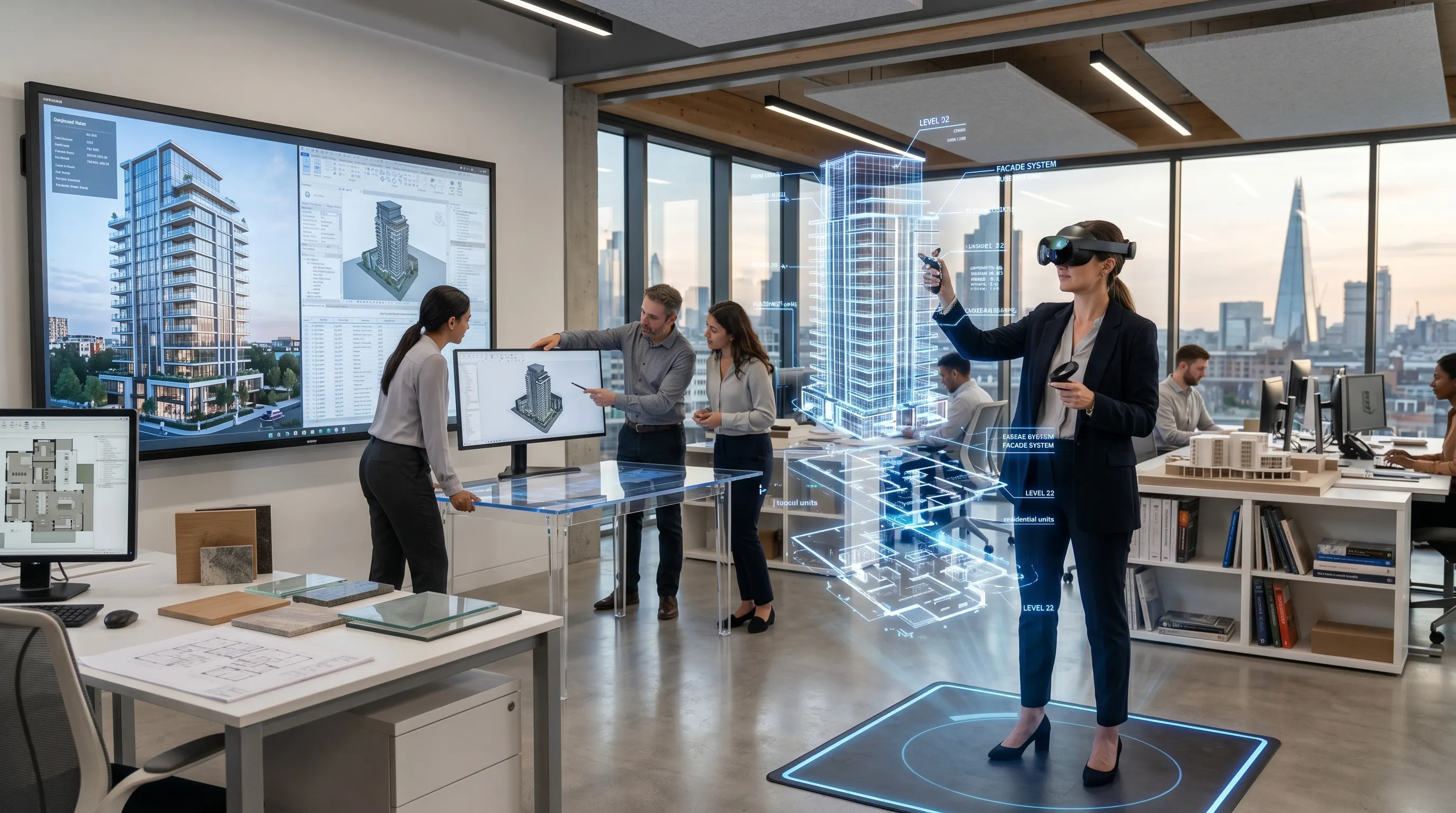
The days of relying solely on flat, two-dimensional blueprints to envision a future space are rapidly fading. When examining how construction is evolving with time, the most dramatic shift is occurring in the visualization phase. The integration of Virtual Reality (VR) and Augmented Reality (AR) in real estate and architectural design is revolutionizing how we plan, build, and experience spaces before a single brick is laid.
Immersive Design and Client Experience
Traditional blueprints can be difficult for clients to interpret. VR technology bridges this gap by allowing stakeholders to step inside a fully realized 3D model of their future home or commercial space. This immersive experience allows clients to feel the scale of a room, observe how natural light shifts throughout the day, and interact with the environment in real-time. This level of clarity ensures that the final product perfectly aligns with the client's vision.
Enhancing the Construction Workflow
Beyond client presentations, VR and 3D modeling—specifically Building Information Modeling (BIM)—are transforming the operational side of construction.
- Clash Detection: Before construction begins, contractors can navigate the digital model to identify conflicts (e.g., plumbing intersecting with electrical lines), saving millions in costly reworks.
- Material Estimation: Advanced software can calculate exact material requirements directly from the 3D model, drastically reducing waste and improving budget accuracy.
- Remote Collaboration: Architects in London, engineers in New York, and developers in Bengaluru can meet inside the same virtual building, discussing modifications in real-time.
Augmented Reality on the Job Site
While VR is utilized primarily in the design phase, Augmented Reality is making its way to the actual construction site. By wearing AR glasses, construction workers can overlay digital plans onto the physical space, visualizing exactly where a wall should go or where structural supports are required, increasing precision and safety.
The Fortune One Approach
At Fortune One Group, embracing the future of architectural tech is not just about adopting new tools; it's about delivering absolute certainty to our clients. By utilizing advanced 3D visualization and immersive technologies, we ensure that every project transitions flawlessly from a digital dream to a concrete legacy.